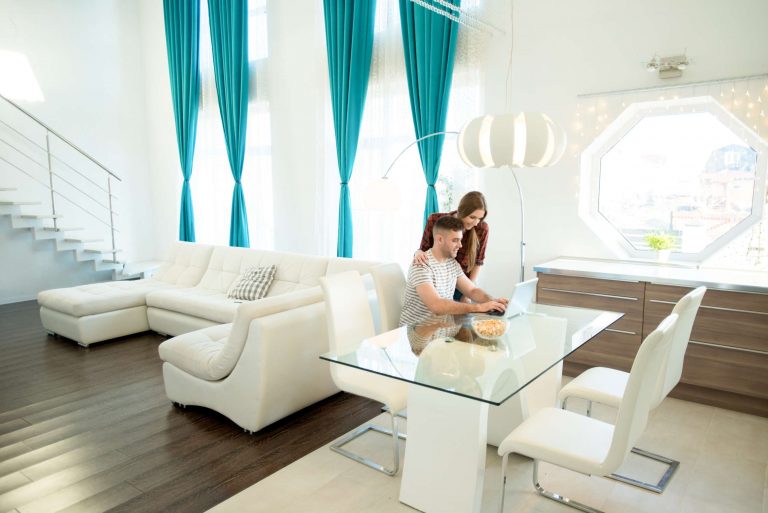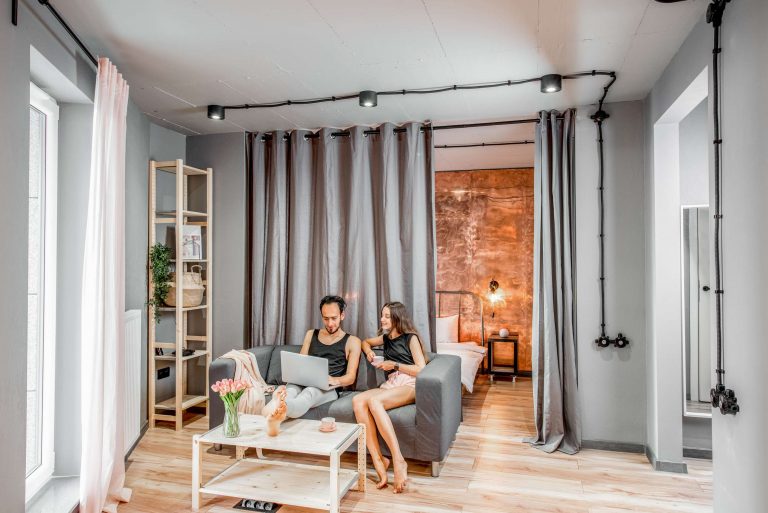
Confidence is perhaps one of the most important results of successful interior design education. It’s a Goldmine of theoretical content for the concepts whereas confidence comes in only when you apply those on some real-time things. By introducing hands-on exercises, materials studies and real-life case studies, we enable our students to internalize principles and gain an insight of how their choices will positively or negatively affect the perception and function of a space. Every project well done builds decision skills, while hurdles help to problem-solve and grow.
Structured feedback is necessary for this undertaking. Support and advice from mentor and peer editing emphasises student self reflection of their own strengths and areas to improve. This cycle of make and break is what makes learners more resilient, allowing people to experiment without the fear of failure. As students grow confident in incorporating feedback and critique into their approach, they develop autonomy to take design decisions independently and believe in their own creativity.
And the competence is intensified by exposure to a variety of design circumstances. Through a range of project types such as living rooms and commercial spaces, students develop flexibility that serves them in any space. They adapt their approach to the context, client and end-user, developing a flexible way of designing. This ranges of experience guarantees that confidence isn’t something which is confined to a comfort zone but reaches into various situations and external challenges.
Communication and community aktivites also play an important role in trust building. Students can present ideas, get instant feedback, and dull sharpness of a solution in an ego-saving environment through group critiques, studio workshops and peer-to-peer conversations. Conveying design decisions and responding to critique helps develop the communication abilities, reinforces expertise, and nurtures a professional identity.
So, I think at the end of the day confidence in one’s interior design decisions comes from a mixture of knowledge, practical application and reflection. Students who have lots of exposure to the process, take feedback well, and play with many projects start to build self-assurance that they can tackle more complex creative tasks. Such confidence has formed the capability of designing more than good-looking spaces -spaces which are also functional, meaningful and uniquely expressive of their vision- thus shaping a promising career in design.